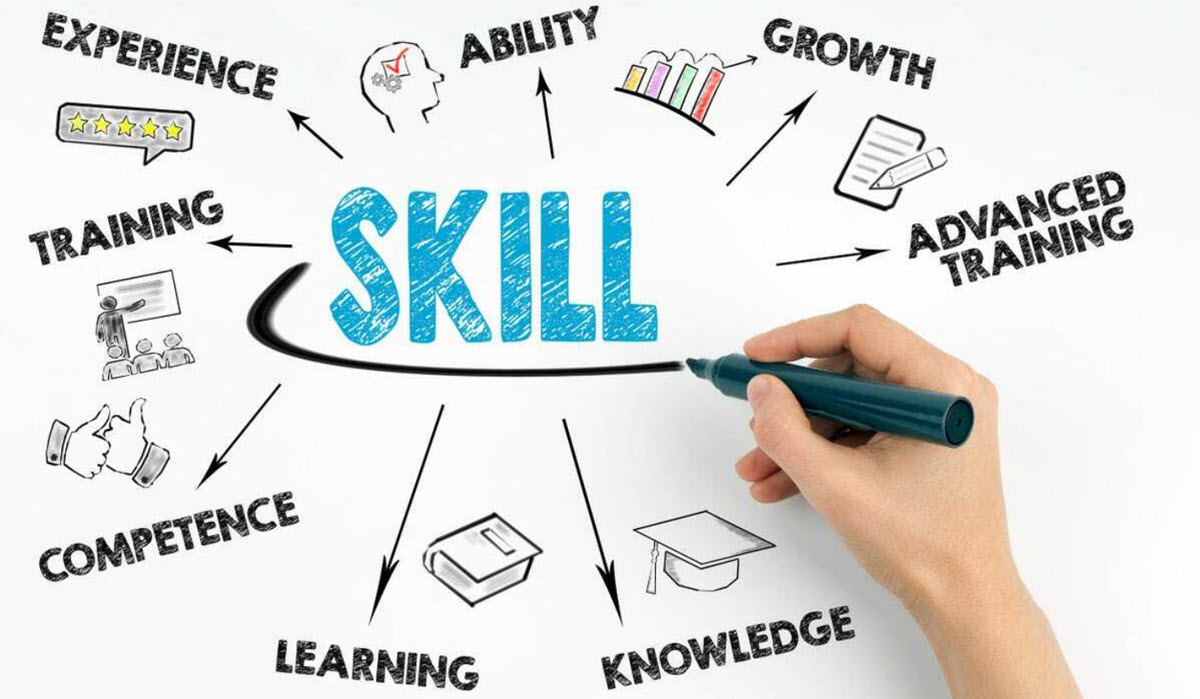
Businesses today operate in highly competitive and rapidly changing environments. As industries evolve and technology advances, organisations must ensure that employees possess the knowledge and abilities required to meet current and future demands. One of the most effective ways to achieve this is through a skill gap analysis.
A skill gap analysis helps businesses identify the difference between the skills employees currently have and the skills they need to perform effectively. By understanding these gaps, organisations can create targeted training programmes, improve workforce planning, and support long-term business growth.
Conducting an efficient skill gap analysis can benefit companies of all sizes and across various industries. Whether the goal is improving productivity, adapting to new technologies, or preparing employees for leadership roles, this process provides valuable insights into workforce development.
This article explores the importance of skill gap analysis, the steps involved in carrying it out effectively, and the long-term benefits it can provide for organisations and employees alike.
Understanding the Importance of Skill Gap Analysis
A skill gap analysis allows businesses to evaluate whether their workforce is equipped to achieve organisational objectives. Without a clear understanding of employee capabilities, companies may struggle to maintain productivity, adapt to change, or remain competitive.
Many organisations only recognise skill shortages when problems begin to appear. Delayed projects, lower productivity, communication issues, or declining customer satisfaction can all indicate that employees require additional development.
By carrying out a structured skill gap analysis, businesses can identify weaknesses before they become major operational challenges. This proactive approach helps organisations prepare for future demands and allocate training resources more effectively.
The process can also support succession planning. Identifying employees with leadership potential and understanding where additional development is needed allows businesses to prepare staff for future responsibilities.
Another important advantage is improved employee engagement. Workers are often more motivated when they feel their professional development is supported. Providing opportunities for growth can increase job satisfaction and staff retention.
Ultimately, a well-planned skill gap analysis provides businesses with a clearer understanding of workforce strengths and areas requiring improvement.
Steps for Conducting an Efficient Skill Gap Analysis
Conducting a successful skill gap analysis requires careful planning and clear objectives. Businesses should begin by identifying the skills and competencies required to achieve organisational goals.
The first step is reviewing current business objectives. Companies may need employees with advanced technical knowledge, stronger communication skills, leadership abilities, or industry-specific expertise depending on future plans.
Once these requirements are identified, organisations can assess the current capabilities of employees. This can be achieved through performance reviews, employee surveys, interviews, practical assessments, or self-evaluations.
Managers should compare existing employee skills against the competencies needed for current and future roles. This comparison helps identify gaps that may affect performance or business growth.
Prioritising the results is also important. Some skill shortages may have a greater impact on operations than others. Businesses should focus first on gaps that directly affect productivity, compliance, customer service, or strategic objectives.
After identifying the gaps, organisations can develop targeted training and development plans. These may include workshops, mentoring, online courses, professional qualifications, or cross-departmental learning opportunities.
Regular reviews are essential to ensure progress is being made. A skill gap analysis should not be viewed as a one-time activity but as an ongoing process that evolves alongside the business.
Benefits of Skill Gap Analysis for Businesses
An effective skill gap analysis provides several important benefits for organisations. One of the most significant advantages is improved productivity. Employees who possess the right skills are generally more confident, efficient, and capable of completing tasks accurately.
Training programmes become more effective when businesses clearly understand where development is needed. Instead of investing in broad or unnecessary training, organisations can focus resources on areas that provide the greatest value.
A skill gap analysis can also support recruitment strategies. Businesses may discover that certain roles require specialist expertise that is not currently available internally. This information helps organisations recruit candidates with the right qualifications and experience.
Another major benefit is improved adaptability. Industries continue to evolve because of technological advancements, market trends, and changing customer expectations. Businesses that regularly assess workforce capabilities are often better prepared to respond to these changes.
Risk reduction is equally important. In industries with strict regulations or safety requirements, lacking critical skills can lead to compliance issues or operational failures. Identifying and addressing gaps early helps reduce these risks.
Companies that invest in employee development are also more likely to build stronger workplace cultures. Employees who feel valued and supported often demonstrate higher levels of loyalty and engagement.
Overall, a well-executed skill gap analysis contributes to long-term organisational stability and growth.
Common Challenges When Performing a Skill Gap Analysis
Although the process is highly beneficial, businesses may encounter challenges when carrying out a skill gap analysis. One common issue is accurately measuring employee abilities.
Some skills, particularly soft skills such as leadership, communication, or problem solving, can be difficult to evaluate objectively. Businesses may need to combine multiple assessment methods to gain a more accurate understanding.
Another challenge is resistance to change. Employees may feel uncomfortable discussing weaknesses or fear that the analysis could negatively affect their role within the organisation. Clear communication is essential to ensure staff understand that the purpose of the process is development rather than criticism.
Time and resource limitations can also create difficulties. Smaller organisations may struggle to dedicate sufficient time to assessments, training, and ongoing monitoring.
Rapid technological change presents another challenge. Skills that are valuable today may become outdated quickly, requiring businesses to review workforce capabilities regularly.
Despite these challenges, businesses that approach the process strategically are often able to achieve significant long-term improvements.
Creating a Long-Term Development Strategy
A skill gap analysis is most effective when integrated into a broader workforce development strategy. Businesses should focus not only on immediate needs but also on preparing employees for future challenges.
Continuous learning plays a vital role in long-term success. Encouraging employees to develop new skills regularly helps organisations remain competitive and adaptable.
Managers should also create clear development pathways for employees. Providing opportunities for progression and career advancement can improve motivation and retention.
Technology can support this process as well. Many organisations now use digital learning platforms, performance tracking systems, and online training resources to manage employee development more effectively.
Collaboration between departments is equally important. Human resources, management teams, and employees should work together to identify priorities and create realistic development plans.
Ultimately, conducting an efficient skill gap analysis allows organisations to build a stronger and more capable workforce. By understanding employee strengths and identifying areas for improvement, businesses can make informed decisions that support productivity, innovation, and long-term growth.
Companies that invest in workforce development are often better prepared to meet changing market demands and maintain a competitive advantage in their industry.