
Businesses across many industries are constantly searching for ways to improve efficiency, reduce waste and deliver better results for customers. In highly competitive markets, organisations need systems that help them streamline operations while maintaining consistent quality standards. One methodology that has become widely recognised for achieving these goals is lean six sigma.
Combining principles from lean manufacturing and Six Sigma quality management, this approach focuses on improving processes, eliminating inefficiencies and reducing defects. It has been adopted by organisations ranging from manufacturing companies to healthcare providers, financial institutions and technology firms.
Although the concept may appear complex at first, lean six sigma is essentially about creating more efficient workflows and improving customer satisfaction through continuous improvement. Understanding how the methodology works can help businesses identify opportunities for growth and operational success.
Understanding the Principles of Lean Six Sigma
Lean six sigma combines two separate management approaches that share similar goals. Lean methodology focuses on eliminating waste and improving process flow, while Six Sigma focus on reducing defects and improving quality through data-driven analysis.
The lean aspect of the system aims to remove activities that do not add value to the customer. These may include unnecessary movement, excessive waiting times, overproduction or inefficient use of resources. By reducing waste, businesses can operate more efficiently and lower operational costs.
Six Sigma, on the other hand, uses statistical methods to identify variations and errors within processes. The goal is to achieve a high level of consistency and quality by reducing defects and improving reliability. Businesses using Six Sigma techniques often rely heavily on data analysis and measurable performance indicators.
When combined, the two approaches create a comprehensive framework for process improvement. Organisations can increase efficiency while simultaneously improving product or service quality.
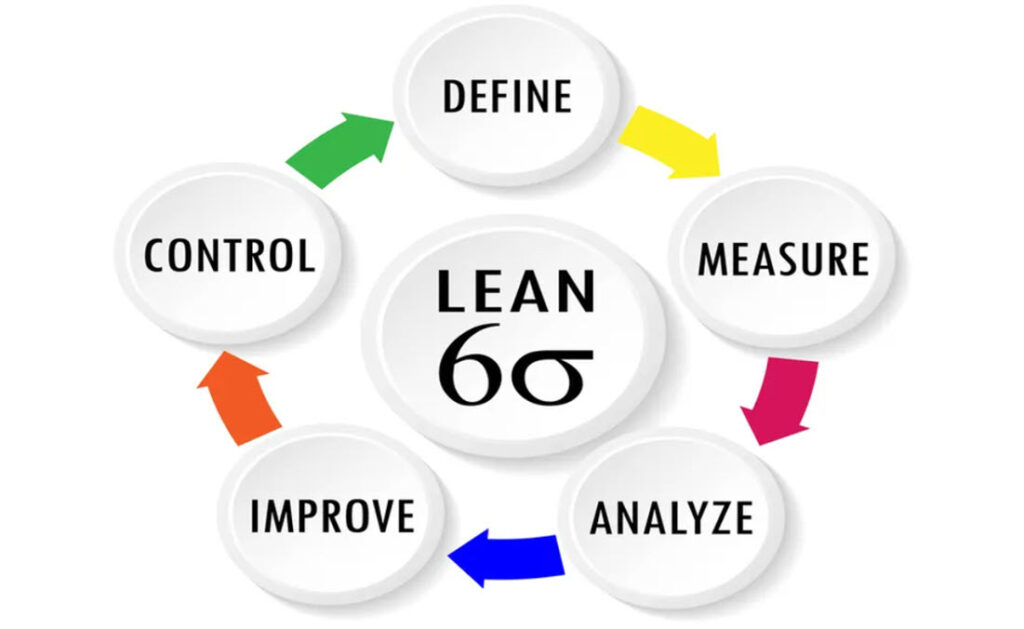
One of the most widely used frameworks within the methodology is DMAIC, which stands for Define, Measure, Analyse, Improve and Control. This structured problem-solving process helps organisations identify issues, measure performance and implement sustainable improvements.
The methodology also encourages a culture of continuous improvement. Rather than treating operational improvements as one-time projects, businesses are encouraged to monitor processes regularly and make ongoing adjustments.
Benefits of Lean Six Sigma for Businesses
Implementing lean six sigma can provide a wide range of advantages for organisations seeking to improve operational performance.
One of the most significant benefits is improved efficiency. By identifying unnecessary steps within workflows, businesses can reduce delays, eliminate bottlenecks and streamline operations. This often results in faster production times and improved service delivery.
Cost reduction is another major advantage. Wasteful activities such as excess inventory, duplicated work or inefficient resource allocation can increase operational expenses. Through process optimisation, businesses can reduce these unnecessary costs while maintaining or improving quality standards.
The methodology also supports higher levels of customer satisfaction. Consistent quality and reliable service are essential for building trust and maintaining customer loyalty. By reducing defects and improving process reliability, organisations can provide better experiences for customers.
Employee engagement may improve as well. Many organisations encourage staff involvement in identifying problems and suggesting improvements. This collaborative approach can increase motivation and create a stronger sense of ownership among employees.
Another important benefit is better decision-making. Since the methodology relies heavily on data analysis, organisations are encouraged to base decisions on measurable evidence rather than assumptions. This often leads to more accurate problem-solving and improved strategic planning.
In addition, businesses that adopt lean six sigma may gain a competitive advantage. Efficient operations, reduced costs and improved quality can help organisations respond more effectively to changing market demands and customer expectations.
The methodology can also support sustainability goals. Reducing waste and improving resource efficiency may lower environmental impact while helping businesses operate more responsibly.
Key Tools and Techniques Used in Lean Six Sigma
A wide range of tools and techniques are used within lean six sigma to identify inefficiencies and improve business processes.
One commonly used tool is process mapping. This involves creating a visual representation of workflows to identify delays, unnecessary steps or communication problems. By understanding how work moves through an organisation, businesses can pinpoint areas for improvement.
Root cause analysis is another important technique. Instead of focusing only on visible problems, organisations investigate the underlying causes of inefficiencies or defects. This approach helps businesses implement long-term solutions rather than temporary fixes.
Data collection and statistical analysis also play a central role in the methodology. Businesses measure process performance using specific metrics and analyse trends to identify inconsistencies. Accurate data allows organisations to make informed decisions and track progress effectively.
The 5S system is frequently used to improve workplace organisation. The five stages — Sort, Set in Order, Shine, Standardise and Sustain — help businesses create cleaner, safer and more efficient working environments.
Another important concept is value stream mapping, which examines the flow of materials and information throughout a process. This technique helps organisations identify non-value-adding activities and improve workflow efficiency.
Continuous monitoring is equally important. Businesses using the methodology regularly review performance indicators to ensure improvements are maintained over time. This focus on long-term consistency helps prevent old problems from returning.
Although many of these tools originated in manufacturing, they are now widely used across service industries, healthcare, logistics and administrative environments.
Challenges When Implementing Lean Six Sigma
While lean six sigma offers many benefits, implementing the methodology can present challenges for organisations.
One common difficulty is resistance to change. Employees may feel uncertain about new processes or worry that operational changes could increase workloads or disrupt established routines. Clear communication and employee involvement are essential for reducing resistance and encouraging participation.
Training requirements can also be significant. Since the methodology involves specialised tools and data analysis techniques, businesses often need to invest in staff education and certification programmes. Although this can require time and financial resources, proper training is critical for successful implementation.
Another challenge involves maintaining long-term commitment. Some organisations focus heavily on initial improvement projects but fail to sustain continuous monitoring and process optimisation. Without ongoing support from leadership, improvements may gradually decline.
Data accuracy can present additional difficulties. The methodology depends heavily on reliable information, and inaccurate data may lead to ineffective decisions or misleading conclusions. Businesses must establish clear measurement systems and maintain strong data management practices.
Smaller organisations may also struggle with resource limitations. Implementing improvement initiatives requires time, staff involvement and management support. However, even small businesses can benefit by introducing lean principles gradually and focusing on key operational areas.
Despite these challenges, many organisations find that the long-term advantages outweigh the initial investment. Businesses that commit to continuous improvement often experience stronger operational performance and greater organisational resilience.