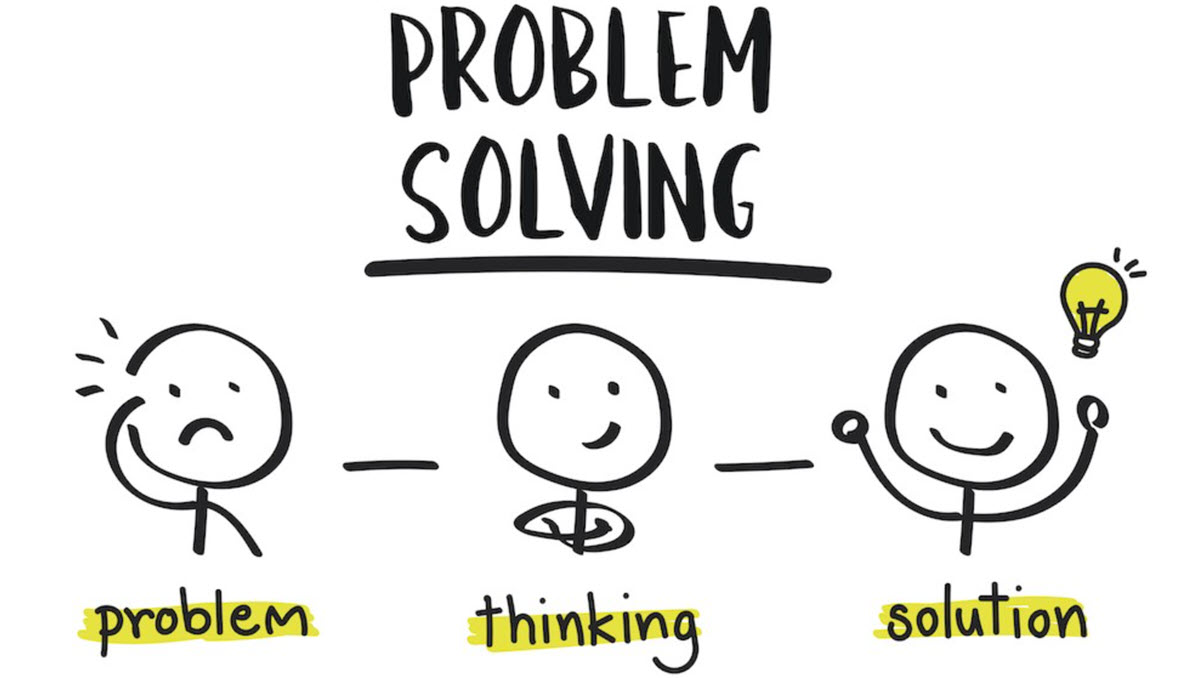
Problem solving is one of the most valuable skills a person can develop, both professionally and personally. In modern workplaces, employees are often expected to think critically, adapt quickly, and overcome challenges efficiently. Whether managing projects, resolving customer concerns, or improving business performance, strong problem-solving abilities can make a significant difference.
Many people believe that problem solving is a natural talent, but it is actually a skill that can be developed through practice and the right approach. By improving analytical thinking, communication, and decision-making, individuals can become more confident when facing complex situations.
Understanding the Best Way to Improve Problem Solving Skills can help individuals perform more effectively under pressure and contribute greater value within their organisations. This article explores practical methods that can strengthen problem-solving abilities and create long-term professional benefits.
Why Problem Solving Skills Are Important
Problem-solving skills influence nearly every aspect of work and daily life. Businesses rely on employees who can identify issues quickly, assess possible solutions, and take effective action. Strong problem solvers often help organisations save time, reduce costs, and improve productivity.
In leadership roles, problem-solving abilities are especially important. Managers frequently face unexpected situations involving budgets, staffing, customer satisfaction, or operational performance. The ability to remain calm and evaluate options logically can lead to better outcomes.
Problem solving also encourages creativity and innovation. Instead of accepting obstacles as permanent, effective problem solvers search for opportunities to improve processes and achieve better results.
For individuals, developing these abilities can increase confidence and support career progression. Employers often value staff members who can work independently and find practical solutions without constant supervision.
Learning the Best Way to Improve Problem Solving Skills can therefore provide benefits that extend beyond the workplace, helping individuals make better decisions in everyday situations as well.
Best Way to Improve Problem Solving Skills Through Critical Thinking
Critical thinking is one of the foundations of effective problem solving. It involves analysing information carefully, questioning assumptions, and evaluating evidence before making decisions.
One practical method for improving critical thinking is to break larger problems into smaller, more manageable parts. Complex issues can often feel overwhelming, but separating them into stages makes it easier to identify causes and possible solutions.
Asking the right questions is equally important. Instead of reacting immediately, strong problem solvers take time to understand the root cause of an issue. Questions such as “Why did this happen?” or “What factors contributed to the problem?” can help reveal important insights.
Another useful technique is considering multiple perspectives. Discussing challenges with colleagues or mentors can uncover ideas that may not have been obvious initially. Collaboration often leads to stronger and more balanced decisions.
Many experts believe that practising analytical thinking exercises is the Best Way to Improve Problem Solving Skills because it trains the mind to approach situations more logically and objectively.
Activities such as puzzles, strategy games, and case studies can also strengthen mental flexibility and improve decision-making abilities over time.
Building Problem Solving Skills in the Workplace
The workplace offers many opportunities to develop stronger problem-solving abilities. Everyday challenges can become valuable learning experiences when approached with the right mindset.
One effective strategy is taking greater ownership of tasks and responsibilities. Employees who actively seek solutions instead of waiting for instructions often build confidence and improve their ability to think independently.
Time management also plays an important role. Problems can become more difficult when tasks are rushed or poorly organised. Prioritising work effectively allows individuals to focus on resolving issues carefully and efficiently.
Communication skills are equally important. Many workplace problems occur because of misunderstandings or unclear expectations. Strong communicators are better able to gather information, explain solutions, and collaborate with others.
Seeking feedback can further support improvement. Constructive feedback from managers or colleagues helps individuals identify areas where their decision-making processes can become more effective.
Many organisations now provide workshops and training programmes focused on analytical thinking and decision-making. Participating in these sessions can be an excellent way to improve practical problem-solving techniques.
For many professionals, consistent workplace experience combined with regular self-reflection is the Best Way to Improve Problem Solving Skills in a realistic and sustainable manner.
Developing a Positive Mindset Towards Challenges
Mindset has a major influence on problem-solving ability. People who view challenges as opportunities to learn are often more resilient and adaptable when difficulties arise.
Fear of failure can prevent individuals from exploring creative solutions. However, mistakes are often an important part of the learning process. Analysing what went wrong and understanding how improvements can be made helps build stronger decision-making skills in the future.
Remaining calm under pressure is another valuable habit. Stress can affect judgement and lead to rushed decisions. Taking a step back, gathering information, and evaluating options carefully often leads to better results.
Adaptability is equally important in today’s rapidly changing business environment. New technologies, market conditions, and customer expectations require individuals to adjust their thinking regularly. Being open to change makes it easier to identify effective solutions.
Many people find that continuous learning is the Best Way to Improve Problem Solving Skills over the long term. Reading industry materials, attending training sessions, and learning from experienced professionals all contribute to stronger analytical abilities.
By developing a growth mindset and maintaining curiosity, individuals become better equipped to manage challenges confidently and effectively.
Practical Habits That Strengthen Problem Solving
Small daily habits can have a significant impact on problem-solving performance over time. Keeping notes on recurring challenges and reviewing how they were resolved can help identify useful patterns and strategies.
Setting aside time for reflection is also beneficial. Reviewing decisions after completing a project allows individuals to understand what worked well and what could be improved.
Observation skills are equally valuable. Paying close attention to workflows, customer behaviour, and team interactions can reveal hidden inefficiencies or opportunities for improvement.
Networking with professionals from different industries can also broaden perspectives. Exposure to new ideas and experiences often inspires more creative approaches to solving problems.
Ultimately, there is no single formula for becoming an excellent problem solver. However, combining critical thinking, communication, adaptability, and continuous learning creates a strong foundation for long-term success.
Understanding the Best Way to Improve Problem Solving Skills is not simply about finding quick answers. It is about developing habits and thought processes that allow individuals to approach challenges with confidence, creativity, and logic in any situation.