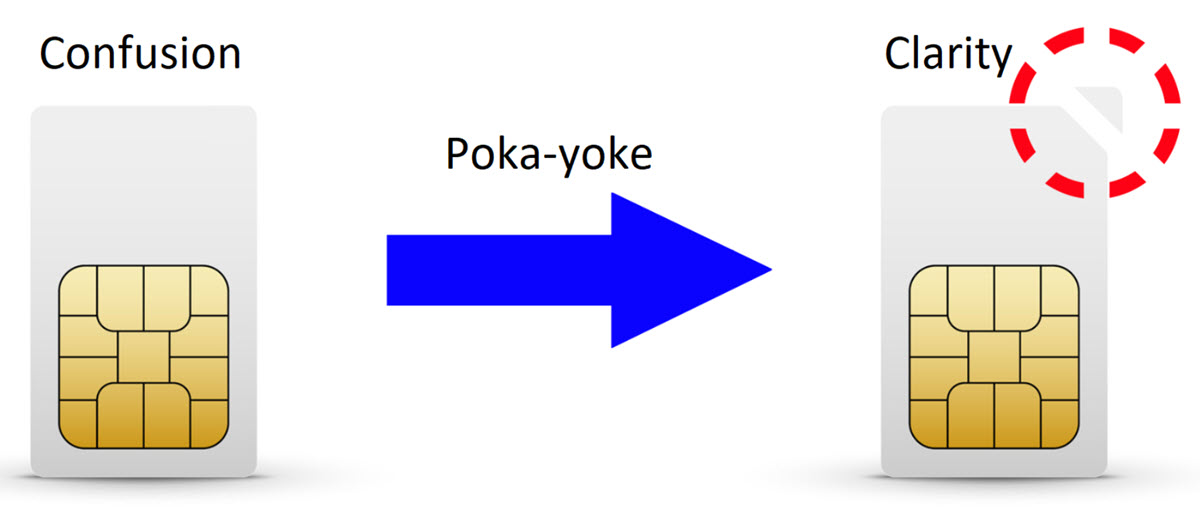
Mistake-proofing is a crucial part of improving efficiency, reducing waste, and maintaining quality within modern organisations. One of the most effective methods for achieving this is the Japanese concept of poka-yoke, which translates loosely as “avoiding errors”. Originally developed within the Toyota Production System, poka-yoke focuses on designing processes and systems that prevent mistakes from happening.
Businesses across manufacturing, retail, healthcare, logistics, and office administration can all benefit from applying these techniques. By reducing human error, companies can improve customer satisfaction, lower operational costs, and create more consistent outcomes.
This article explores practical ways organisations can use poka-yoke methods in day-to-day operations and highlights several useful applications that can be adapted for almost any industry.
Understanding the Value of Poka-Yoke
Poka-yoke is based on the idea that people naturally make mistakes, particularly when tasks are repetitive, rushed, or overly complicated. Rather than blaming employees for errors, the approach focuses on improving the process itself.
For example, many modern systems include built-in safeguards that stop users from completing actions incorrectly. Online forms often highlight missing information before submission, while machinery may automatically stop operating if a safety guard is not in place. These small interventions reduce the likelihood of defects and improve reliability.
The strength of poka-yoke lies in its simplicity. Businesses do not always need expensive technology to implement effective solutions. In many cases, small changes to procedures, layouts, or equipment can produce significant improvements.
Companies that embrace mistake-proofing often notice:
- Reduced rework and waste
- Improved customer satisfaction
- Better employee confidence
- Increased productivity
- Stronger quality control
When implemented correctly, these systems create a more efficient and less stressful working environment.
Poka-Yoke Examples in Manufacturing and Production
Manufacturing environments are among the most common places where mistake-proofing techniques are used. Production lines often involve repetitive tasks where even a small error can result in defective products or costly downtime.
One of the simplest poka-yoke examples is the use of colour-coded components or connectors. Electrical wiring systems frequently use unique colours and shapes to ensure that parts can only be connected correctly. This prevents assembly errors and reduces the risk of product failure.
Another practical method involves sensors that detect whether all required components are present before a machine continues operating. If a part is missing or incorrectly positioned, the process stops automatically, allowing staff to correct the issue immediately.
Manufacturers also use jigs and fixtures designed to hold parts in the correct orientation. These tools remove guesswork from the assembly process and help workers complete tasks consistently.
Barcode scanning systems provide another effective safeguard. Employees can scan parts before installation to confirm they match the correct product specification. If the wrong item is scanned, the system issues a warning and prevents the process from continuing.
These methods not only improve quality but also help reduce material waste and expensive recalls.
Office and Administrative Poka-Yoke Examples
Mistake-proofing is not limited to factory floors. Offices and administrative departments can also benefit greatly from improved process controls.
Digital forms are a common example. Mandatory fields, automated calculations, and drop-down menus reduce the chance of incorrect data entry. Instead of relying entirely on manual checking, the system guides employees towards completing tasks correctly the first time.
Email automation can also prevent common mistakes. Many businesses use delayed sending features that allow users to cancel emails shortly after pressing send. This simple function reduces the likelihood of messages being sent to the wrong recipient or containing missing attachments.
Another useful approach is document version control. Shared systems that prevent employees from editing outdated files help maintain consistency and reduce confusion between departments.
Checklists are among the most cost-effective poka-yoke examples for office environments. They ensure critical tasks are completed in the correct order and are especially valuable for onboarding, compliance procedures, and financial reporting.
Password management systems can also act as a mistake-proofing tool. By enforcing secure password requirements and multi-factor authentication, businesses reduce the risk of weak security practices leading to breaches.
Although these measures may seem straightforward, they can significantly improve accuracy and operational efficiency.
Improving Customer Experience Through Poka-Yoke Examples
Customer-facing processes are another area where mistake-proofing can have a major impact. Errors that affect customers directly can damage trust and harm a company’s reputation.
Retail businesses frequently use barcode systems at tills to ensure pricing accuracy and stock control. Self-service checkouts often include prompts that guide customers through the payment process, reducing scanning mistakes and improving transaction speed.
Restaurants use poka-yoke examples such as implementing digital ordering systems, that send requests directly to the kitchen. This reduces the risk of staff mishearing orders or forgetting special dietary requirements.
In healthcare settings, medication packaging often includes clear labels, colour coding, and tamper-proof designs to minimise the possibility of incorrect usage. Hospitals may also use wristband scanning systems to ensure patients receive the correct treatment.
Online retailers apply mistake-proofing by confirming delivery addresses, validating payment details, and displaying order summaries before checkout completion. These safeguards help prevent failed deliveries and customer complaints.
By reducing friction and improving reliability, businesses can create a smoother customer journey while lowering the costs associated with returns, corrections, and service recovery.
How to Introduce Poka-Yoke Within Your Organisation
Introducing mistake-proofing methods does not require a complete overhaul of existing systems. The most successful implementations often begin with small improvements focused on common problem areas.
Start by identifying tasks that regularly result in errors, delays, or customer complaints. Speak with employees directly involved in these processes, as they often have valuable insight into recurring issues.
Once problem areas are identified, look for opportunities to simplify procedures or introduce safeguards. Effective poka-yoke solutions are usually easy to understand and straightforward to maintain.
It is also important to monitor the results of any changes. Tracking error rates, productivity levels, and customer feedback helps determine whether the solution is delivering measurable improvements.
Training employees is equally essential. Staff should understand the purpose behind the changes and recognise how mistake-proofing supports both quality and efficiency.
Ultimately, poka-yoke encourages businesses to create systems that make the correct action the easiest action. Whether through technology, physical design, or process improvement, these techniques help organisations reduce costly mistakes and operate more effectively.
Businesses that consistently focus on preventing errors rather than correcting them afterwards, are often better positioned for long-term success in competitive markets.