
Businesses today face constant pressure to improve productivity, manage workloads effectively and deliver projects on time. Whether operating in retail, manufacturing, marketing or software development, organisations need systems that help their teams stay organised while maintaining flexibility. One solution that has become increasingly popular is the kanban board.
Originally developed as part of lean manufacturing practices in Japan, the kanban method has evolved into a widely used project management approach across many industries. A kanban board provides a visual system for tracking tasks, monitoring progress and identifying workflow bottlenecks. By displaying work clearly and allowing teams to manage tasks efficiently, businesses can improve communication, collaboration and overall performance.
Successfully implementing a kanban system requires careful planning, employee engagement and a clear understanding of business processes. When introduced effectively, it can transform the way teams operate and help organisations achieve greater efficiency.
Understanding the Purpose of a Kanban Board
Before introducing a kanban board into a business, it is important to understand its core purpose. The system is designed to provide a visual representation of work in progress, helping teams track tasks from start to completion.
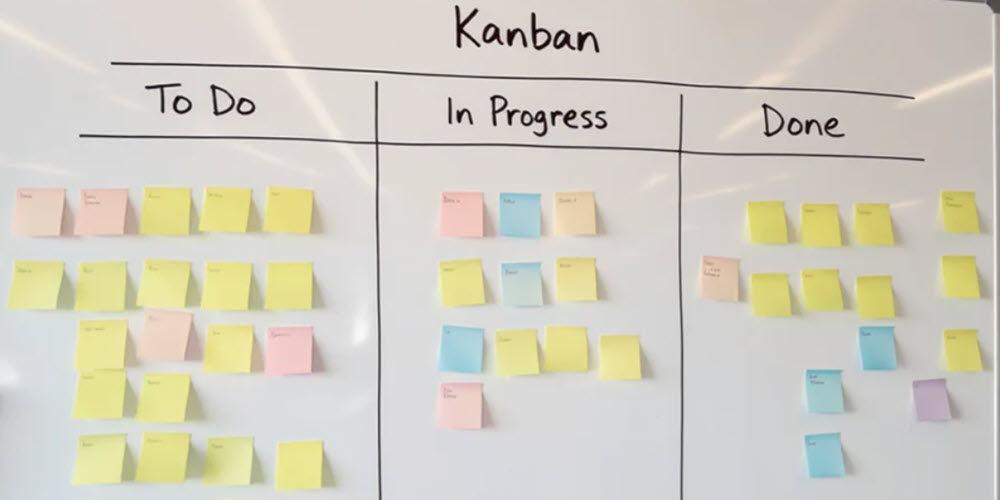
A typical board is divided into columns that represent different stages of a workflow, such as “To Do”, “In Progress” and “Completed”. Tasks are displayed on cards and moved across the board as work progresses. This visual structure allows employees to see priorities, identify delays and understand the status of projects at a glance.
One of the key strengths of the system is its simplicity. Unlike more complicated project management methods, a kanban approach can be adapted to businesses of all sizes and industries. Teams can customise workflows to suit their operational needs while maintaining clarity and transparency.
The method also promotes continuous improvement. By monitoring workflows regularly, businesses can identify inefficiencies and make gradual changes that improve productivity over time. Rather than relying on large-scale operational changes, the system encourages steady optimisation and flexibility.
In addition, the visual nature of the board helps improve communication between departments. Employees gain a clearer understanding of responsibilities and deadlines, reducing confusion and improving collaboration.
Benefits of Implementing a Kanban Board in Business Operations
Introducing a kanban board can provide a wide range of benefits for businesses seeking to improve workflow management and operational efficiency.
One major advantage is increased visibility. Managers and employees can easily track the progress of tasks, monitor workloads and identify areas where projects may be delayed. This transparency helps teams prioritise work more effectively and reduces the risk of important tasks being overlooked.
Another significant benefit is improved productivity. Since employees have full visibility of current priorities, they are less likely to become overwhelmed by excessive workloads or unclear expectations. Teams can focus on completing tasks efficiently before starting new work, helping to reduce multitasking and distractions.
The system also supports better time management. By limiting the number of tasks in progress at one time, businesses can prevent workflow congestion and maintain a more balanced distribution of work. This often results in faster project completion and improved service delivery.
A kanban board can also enhance collaboration across departments. Team members gain shared visibility into ongoing work, making it easier to coordinate efforts and address problems quickly. This collaborative environment encourages accountability and stronger communication.
Furthermore, businesses often experience improved flexibility. Market demands, customer expectations and project priorities can change rapidly. A visual workflow system allows teams to adapt more easily without disrupting the entire operation.
Employee satisfaction may also improve. Clear task management systems reduce confusion and provide staff with a stronger sense of control over their workloads. When employees understand priorities and responsibilities clearly, workplace stress can often be reduced.
Steps for Successfully Introducing a Kanban Board
Implementing a kanban board successfully requires more than simply creating task columns. Businesses should begin by carefully analysing existing workflows and identifying areas where inefficiencies occur.
The first step is defining the stages of the workflow. Each business will have unique operational processes, so the board should reflect how tasks move through the organisation. For example, a marketing team may use stages such as “Planning”, “Content Creation”, “Review” and “Published”, while a manufacturing company may require entirely different workflow categories.
Once the workflow stages are established, businesses should determine how tasks will be prioritised and assigned. Clear responsibilities help ensure accountability and reduce misunderstandings among team members.
It is also important to set realistic work-in-progress limits. Restricting the number of active tasks prevents employees from becoming overloaded and encourages teams to complete existing work before taking on additional projects.
Training employees is another essential step. Although the system is relatively simple, staff members need to understand how to use the board effectively and how it supports broader business goals. Providing guidance and encouraging employee participation can improve adoption and reduce resistance to change.
Businesses should also decide whether to use physical or digital systems. Physical boards can work well in smaller offices where teams operate in the same location. However, digital platforms often provide greater flexibility, especially for remote or hybrid teams.
Regular reviews are crucial for long-term success. Managers and employees should evaluate workflows consistently, discuss challenges and identify opportunities for improvement. Continuous monitoring allows businesses to refine processes and maximise the effectiveness of the system.
Common Challenges and How to Overcome Them
While implementing a kanban board offers many benefits, businesses may encounter challenges during the transition process.
One common issue is employee resistance to change. Some staff members may be hesitant to adopt new systems, particularly if they are comfortable with existing processes. Clear communication about the benefits of the approach and involving employees in the implementation process can help reduce resistance.
Another challenge involves poorly defined workflows. If workflow stages are unclear or overly complicated, the board can quickly become confusing and ineffective. Businesses should aim to keep workflows simple and easy to understand while ensuring tasks move logically between stages.
Overloading the system with too many tasks can also create problems. When businesses fail to limit work in progress, employees may struggle to prioritise effectively, reducing the overall benefits of the method. Maintaining manageable workloads is essential for success.
Inconsistent updates can undermine the value of the system as well. If team members do not regularly update task statuses, the board may no longer reflect actual project progress. Encouraging accountability and establishing consistent review routines can help maintain accuracy.
Technology-related issues may arise when businesses adopt digital tools. Employees may require additional training or support to use software platforms effectively. Choosing user-friendly systems and providing ongoing guidance can ease the transition.
Despite these challenges, most businesses find that the long-term advantages outweigh the initial difficulties. With proper planning, strong leadership and employee engagement, organisations can successfully integrate visual workflow management into daily operations.